
Angine de Poitrine and WTF is a Microtone?
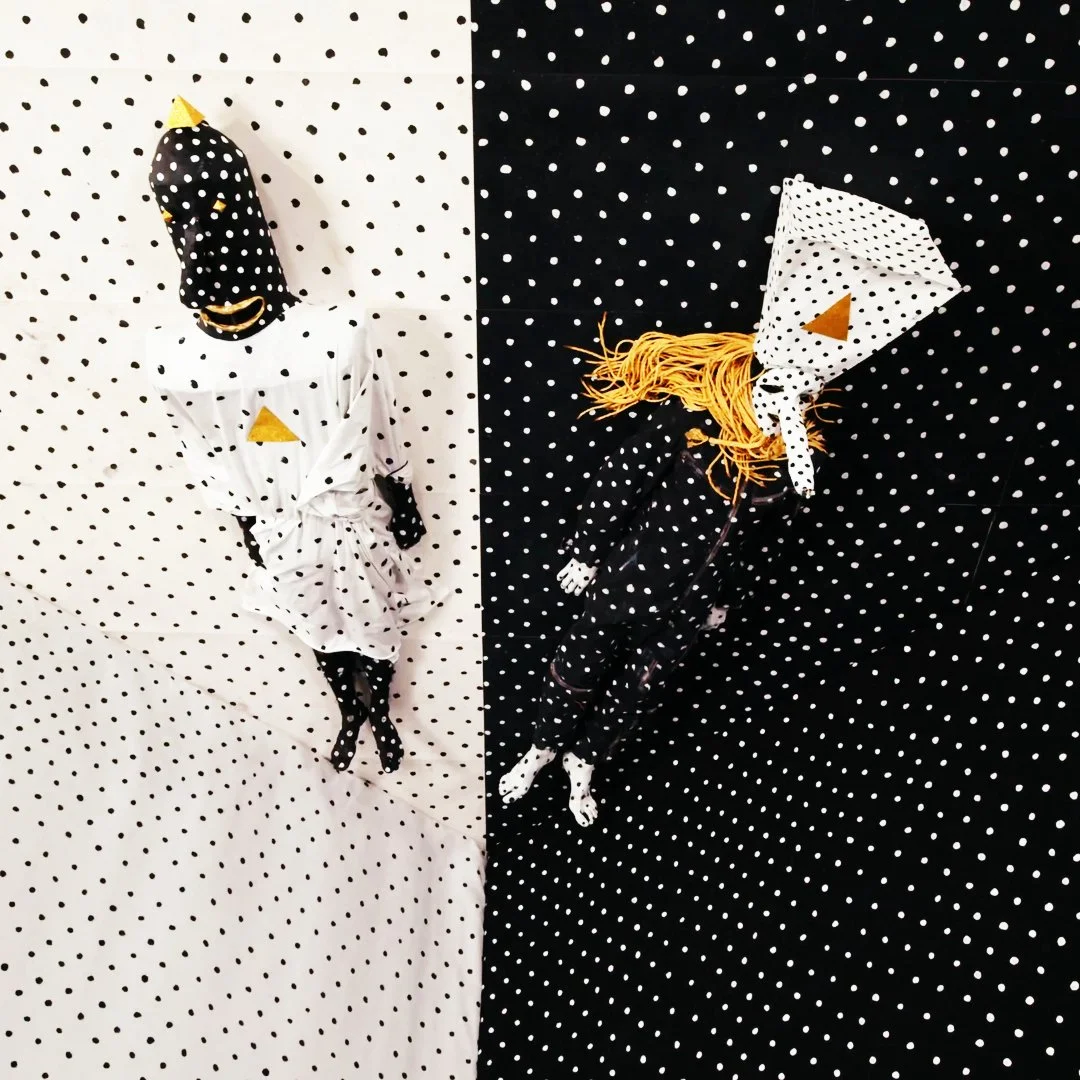
I’m sure you’ve heard the name of Canadian math rock duo Angine de Poitrine, the latest indie psyop that is blowing up in alt circles right now. But let’s get past the obscure outfits (those masked figures continue to resonate in rock) and get into a new term that these two newcomers are bringing to the forefront. WTF is a microtone? And why is it any different to what we normally hear? In really simple terms, a microtone is breaking the normal gaps between notes, splitting the distance between a C and a C sharp, into even smaller intervals. It is quite literally the music that exists in the cracks of a standard piano.
While this sound feels "alien" to Western ears, it has a deep history rooted in the East. Microtonality is a cornerstone of Indian classical music, which utilises a system of 22 "Shrutis" or micro-intervals within a single octave. This allows for a level of emotional expression and "sliding" pitch that standard Western tuning simply can't reach. You might recognise a similar shimmering, micro-inflected quality in the traditional mandolin or the Chitarra Battente, where the double-stringing and specific fret placement create a natural chorus effect that flirts with these in-between frequencies.
Because Western listeners have been conditioned to the 12-note "Equal Temperament" scale since the 1700s, hearing these notes feels "off" or "otherworldly," which perfectly complements Angine de Poitrine's surrealist, Dadaist visuals.

You may have heard this term before through one of the most famous modern experiments in the genre: King Gizzard and The Lizard Wizard’s Flying Microtonal Banana. That record is literally named after the custom yellow microtonal guitar used to make it. You can see the additional frets added in between the more traditional ones, these new notes are called half-sharps or half-flats.
Implementing this in practice requires both physical modification and a relearning of the instrument. The guitarist in Angine de Poitrine, for example, plays a custom double-neck setup with an extra fret inserted between every standard fret, and the modification mirrored on the bass below.
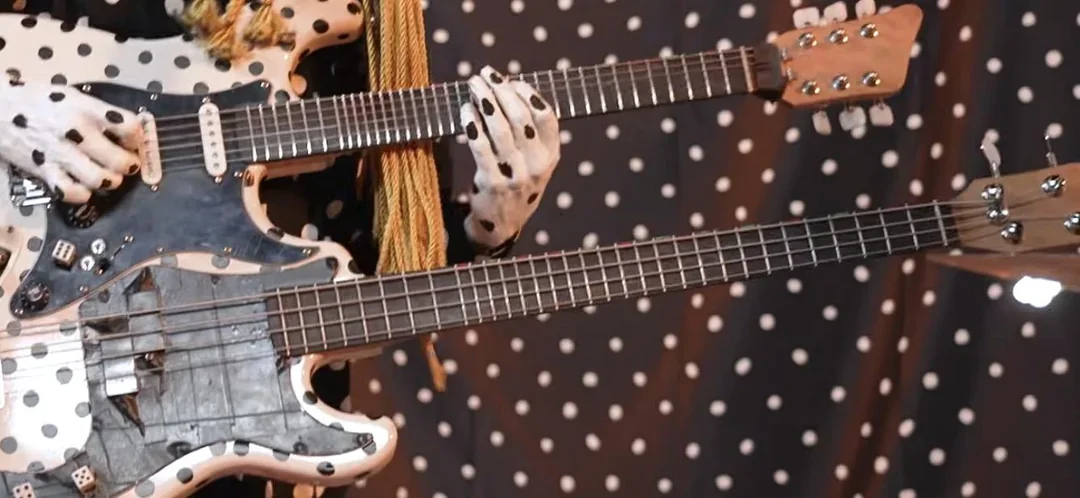
This creates a 24-note scale per octave on each guitar, effectively doubling the options available to the band. Playing this setup is an entirely different discipline; because the frets are spaced so closely together, it requires surgical precision and a new set of muscle memories for chord shapes that would be impossible on a standard neck.
Visually, the instrument looks almost over-engineered, a dense lattice of metal where a Fender or Gibson would normally have room to breathe. For Angine de Poitrine, the use of microtones might feel like a gimmick at first glance, but it undeniably showcases a level of skill and creativity not often seen in most musicians. Paired with their unusual time signatures and striking visual identity, it all comes together into something deliberately disorienting. Their aesthetic and so-called “gimmicks” are what draw people in, but it’s the quality of the music that keeps them listening.
Check out where their record “Vol.II” lands in our Rolling Top 50 List!